
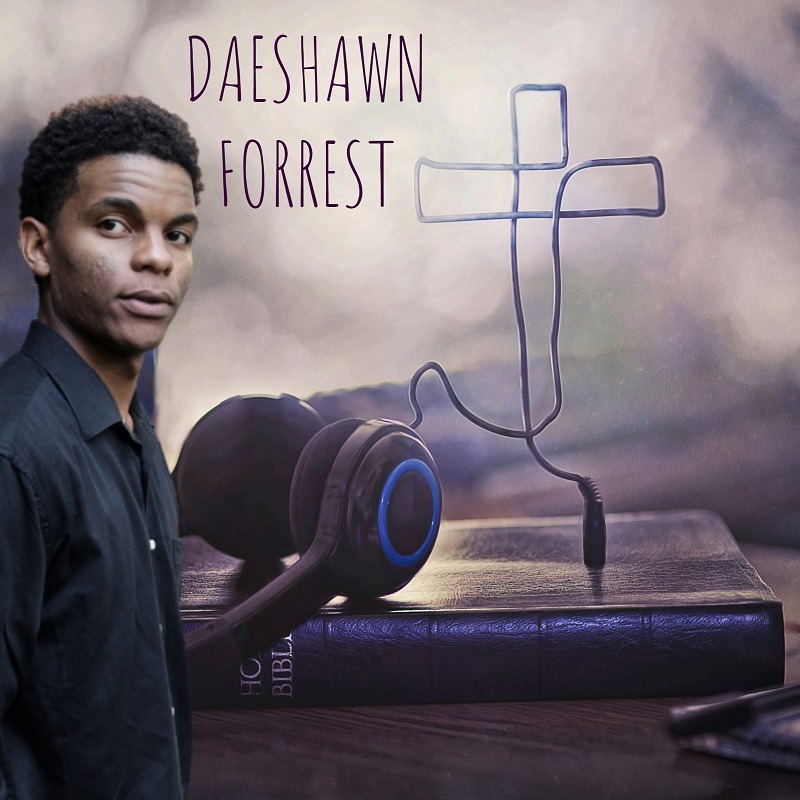
Meet DaeShawn Forrest, an emerging Christian emcee from Antioch, California, whose music reflects a powerful journey of faith, growth, and personal transformation. His latest release, State of Mind, expresses gratitude for God’s favor while offering listeners an honest look at the road behind the music. At just 19, Forrest has already weathered difficult seasons and found a reason to stand on an uplifting platform. More importantly, his spiritual awareness grew stronger when he began stepping away from situations that no longer served his greater calling.
Finding God in the Distance
Reconnecting with God isn’t something anyone needs to feel ashamed about. In fact, sometimes stepping back from the noise creates room to hear what truly matters. That idea sits at the heart of Distance, a song featuring fellow California gospel artist Ms. KJ’nae.
Forrest explained that he initially felt uncomfortable because he sensed a spiritual emptiness he had never experienced before. Rather than ignore that feeling, he eventually took it to God in prayer. He believes God showed him that He wanted to use him, but first, Forrest needed to do some personal work.
That realization changed his perspective. He understood that he needed to create distance from people and things competing for his attention. At the same time, he did not want that distance to become isolation. Instead, he wanted enough space to slow down, listen, and recognize God’s voice.
That message connects with a broader theme often found in Gospel music, where artists use their personal experiences to point listeners toward faith, perseverance, and spiritual renewal.
How Distance Brings the Message to Life
Press play on Distance, and the song immediately creates a reflective atmosphere. Faint keys introduce the track before a calm, collected beat arrives around the 0:22 mark. From there, Forrest settles into a meditative flow that gives the message room to breathe.
He raps about distancing himself from negativity and discovering that the decision actually brought him closer to God. That idea may sound simple, but anyone who has tried to break an old habit knows it can take real effort.
Still, there is another side to change. While quitting an unhealthy habit can feel difficult, starting a healthier one can open an entirely different door. For Forrest, turning his attention back toward Jesus became part of that new direction.
As a result, Distance feels less like a lecture and more like a personal testimony. The song reminds listeners that if we want God to use us, we also have to make ourselves available to hear Him.
From Distance to State of Mind
It’s a blessing that Forrest chose to turn down the noise and take his faith walk seriously. He followed that journey with State of Mind, a Christian hip-hop LP centered on reconnecting with God and relying on Him through life’s challenges.
The project carries themes of positivity, purpose, passion, and spiritual growth. Therefore, listeners who appreciate inspirational music with an honest personal edge may find something meaningful in Forrest’s approach.
His story also fits naturally into the larger conversation surrounding Christian music, particularly the way independent artists use music to share faith experiences with audiences beyond the church walls.
For me, however, the message reaches even deeper.
Why DaeShawn Forrest’s Story Hit Home
His music definitely speaks to me, not as someone discovering faith for the first time, but as someone who had to reconnect. I’m slowly approaching thirty, and I’m not ashamed to admit that my attention became fragmented during the previous six years.
During and after college, I poured much of my energy into intimate relationships and the constant pursuit of external validation. In the process, I lost sight of the God I carried within me.
Much like Forrest, I felt depressed and angry, but I kept dreaming. I still heard that quiet voice during the day and at night. To me, that voice became a heavenly reminder that I still had a purpose and that I could pursue happiness.
At the time, though, I believed relationships provided the support I needed. I also felt afraid to pursue my dream of becoming a writer. Even with a college degree, I convinced myself that I needed more experience before anyone would take me seriously.
Looking back, Jesus eventually showed me something important: I had spent so much time waiting for others to take my dream seriously that I had stopped taking it seriously myself.
When Prayer Became Personal
During a difficult fight with my partner at the time, I stayed with my mother for a few weeks. Mom encouraged me to meditate because she wanted me to stay calm and avoid an epileptic episode. So, I found my own way to settle my mind.
My playlist became an unexpected mix of Deepak Chopra, The Clark Sisters, and Cognitive Transformations on Apple Music. Yet beneath all of that, I carried a constant ache in my heart.
Meanwhile, my mind felt like a map covered with different paths and possibilities. I needed answers, so I started praying with greater intention. I mean really praying, as though God were sitting right there in front of me.
Eventually, those conversations became regular. His answers did not arrive all at once, but I kept seeking, and I kept receiving direction. In that sense, Distance struck a familiar chord because Forrest describes a similar process of searching, listening, and changing.
His experience shows why faith can become more than an idea. Sometimes, faith becomes the place where we finally slow down enough to hear what we have been ignoring.
Learning to Stop Standing in My Own Way
Forrest explained that Jesus revealed something else to him during the creation of Distance. He realized that he sometimes stood in the way of his own growth, which meant he needed to mature and become more intentional.
That realization shaped the song. Forrest wanted to highlight the circumstances that caused him to distance himself because he had lived in that space for quite some time. At the same time, he wanted listeners to understand the importance of keeping an ear open for God, especially when we expect Him to listen when we pray.
That point resonated with me deeply.
I had spent a long time standing in my own way. My awareness felt low, my attention was scattered, my emotions were fragile, and my faith had nearly disappeared. Spiritually, I felt more dead than alive.
So, if I wanted my dreams to become more than dreams, I had to believe in myself again. I had to forgive myself for sin. Most importantly, I had to come back to Jesus.
Faith Walking Takes Courage
Distance demonstrates that walking by faith does not always feel easy. Sometimes, it requires uncomfortable choices, honest reflection, and the willingness to step away from whatever keeps us distracted.
Yet that difficult step can create room for something new.
Forrest’s journey reminds us that spiritual growth often begins when we become willing to listen. His music captures that tension between where we have been and where God may be calling us next.
Ultimately, Distance is more than a song about stepping away. It is about creating enough space to recognize what deserves our attention.
For anyone who has ever felt spiritually disconnected, distracted, or uncertain about the next step, Forrest’s story offers a relatable reminder: sometimes you have to quiet the noise before you can hear the direction.
And sometimes, finding your way back to God starts with simply making yourself available.
DaeShawn Forrest On the Web
Review Created By Taylor Valery
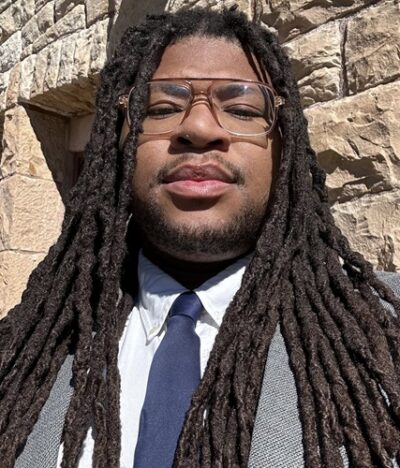
Taylor Valery is a freelance writer and music reviewer. He created HomageCollage, a music appreciation blog dedicated to celebrating the accomplishments of effective artists. Homage2Heat serves as the newer HomageCollage vertical, highlighting emerging heatseekers and artists worth watching.